


Home
/
Blogs
/
Recovery
/
Red Light Therapy for Joint Pain
5 min read
Red Light Therapy for Joint Pain: What the Research Actually Supports
Joint pain is one of those problems that creeps up slowly and then dominates your daily decisions — whether you can exercise, how you sleep, whether stairs are a problem. Standard options range from NSAIDs (effective but hard on the stomach long-term) to cortisone injections (temporary) to joint replacement (last resort).
Red and near-infrared light therapy sits in a different category: a non-invasive, zero-side-effect approach that targets the inflammatory cascade at the cellular level. Here's what the evidence says.
Red and near-infrared light therapy sits in a different category: a non-invasive, zero-side-effect approach that targets the inflammatory cascade at the cellular level. Here's what the evidence says.
How near-infrared light reaches joints
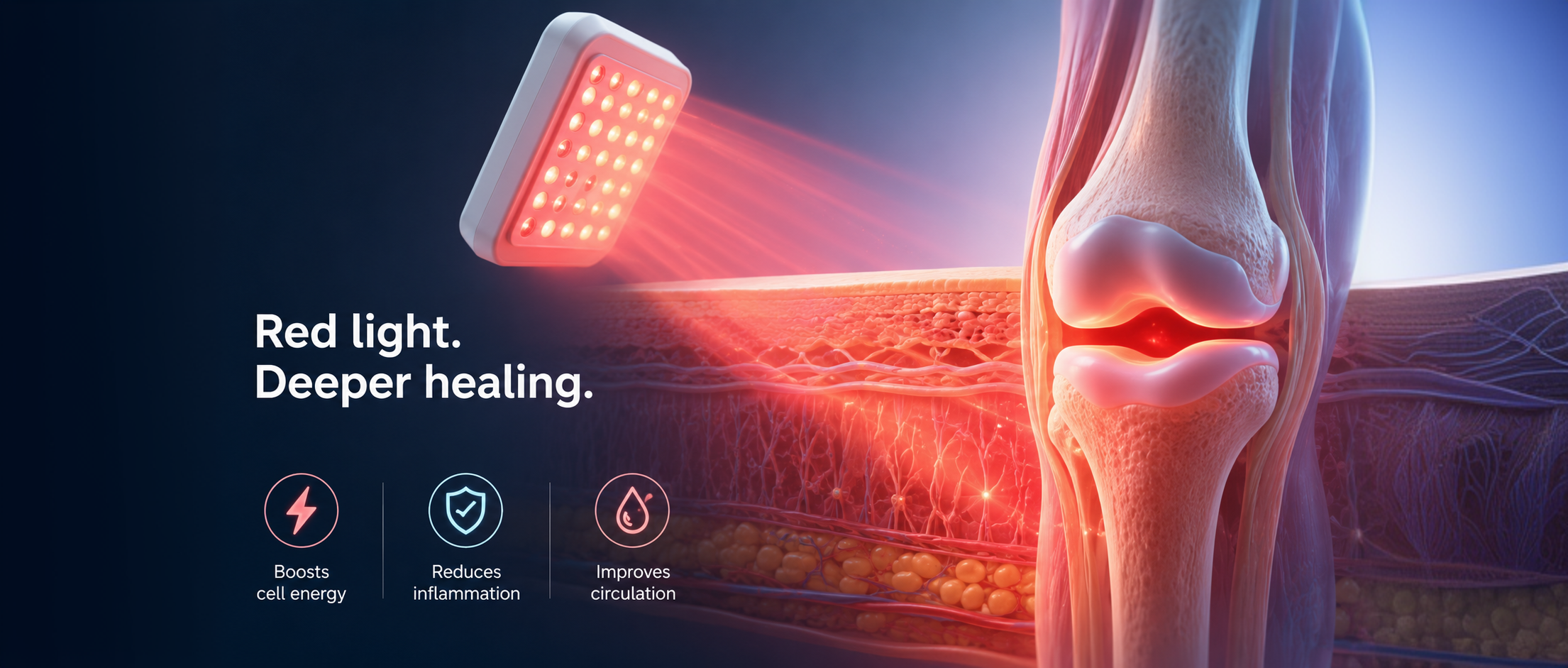
Most of the visible and cellular effects of red light therapy happen at the skin level (collagen, hair follicles). Joint therapy requires deeper penetration — which is where near-infrared (NIR) wavelengths come in.
Light at 810–850nm penetrates significantly deeper than visible red light (630–660nm), reaching subcutaneous tissue, fascia, and superficial joint structures. At these wavelengths, photons are absorbed by cytochrome c oxidase in the mitochondria of cells within and around the joint — including chondrocytes (cartilage cells), synoviocytes (joint lining cells), and immune cells mediating inflammation (Hamblin, 2017).
The downstream effects: increased ATP production for cellular repair, reduced pro-inflammatory cytokines (IL-1β, IL-6, TNF-α), increased anti-inflammatory mediators, and improved local blood flow.
Light at 810–850nm penetrates significantly deeper than visible red light (630–660nm), reaching subcutaneous tissue, fascia, and superficial joint structures. At these wavelengths, photons are absorbed by cytochrome c oxidase in the mitochondria of cells within and around the joint — including chondrocytes (cartilage cells), synoviocytes (joint lining cells), and immune cells mediating inflammation (Hamblin, 2017).
The downstream effects: increased ATP production for cellular repair, reduced pro-inflammatory cytokines (IL-1β, IL-6, TNF-α), increased anti-inflammatory mediators, and improved local blood flow.
What the clinical evidence shows
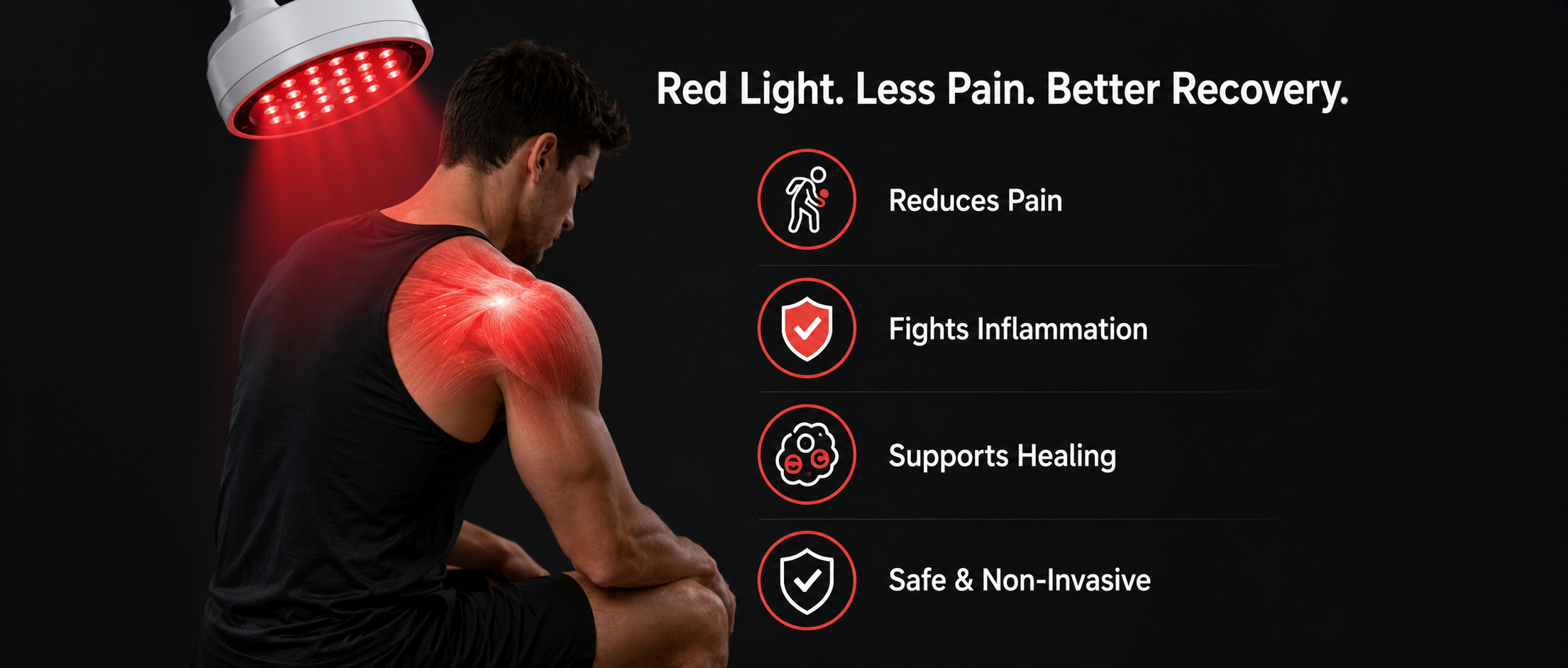
Cotler et al., 2015 — Musculoskeletal pain review: A comprehensive review found evidence supporting LLLT for reducing pain and improving function across multiple musculoskeletal conditions. The authors noted that LLLT's analgesic effect appears to work through both anti-inflammatory pathways and direct modulation of pain signaling (Cotler et al., 2015).
Hamblin, 2017 — Anti-inflammatory mechanisms: This detailed review from Massachusetts General Hospital/Harvard Medical School mapped the specific anti-inflammatory pathways activated by photobiomodulation. Key findings: PBM reduces reactive oxygen species (ROS) in inflamed tissue, inhibits NF-κB signaling (a master regulator of inflammatory gene expression), and shifts macrophage polarization from pro-inflammatory (M1) to anti-inflammatory (M2) phenotype (Hamblin, 2017).
The Cleveland Clinic's position: The Cleveland Clinic lists reduced inflammation and improved wound healing among the evidence-backed applications of red light therapy, noting that it's considered safe and non-invasive with no known serious side effects.
Hamblin, 2017 — Anti-inflammatory mechanisms: This detailed review from Massachusetts General Hospital/Harvard Medical School mapped the specific anti-inflammatory pathways activated by photobiomodulation. Key findings: PBM reduces reactive oxygen species (ROS) in inflamed tissue, inhibits NF-κB signaling (a master regulator of inflammatory gene expression), and shifts macrophage polarization from pro-inflammatory (M1) to anti-inflammatory (M2) phenotype (Hamblin, 2017).
The Cleveland Clinic's position: The Cleveland Clinic lists reduced inflammation and improved wound healing among the evidence-backed applications of red light therapy, noting that it's considered safe and non-invasive with no known serious side effects.
What to realistically expect
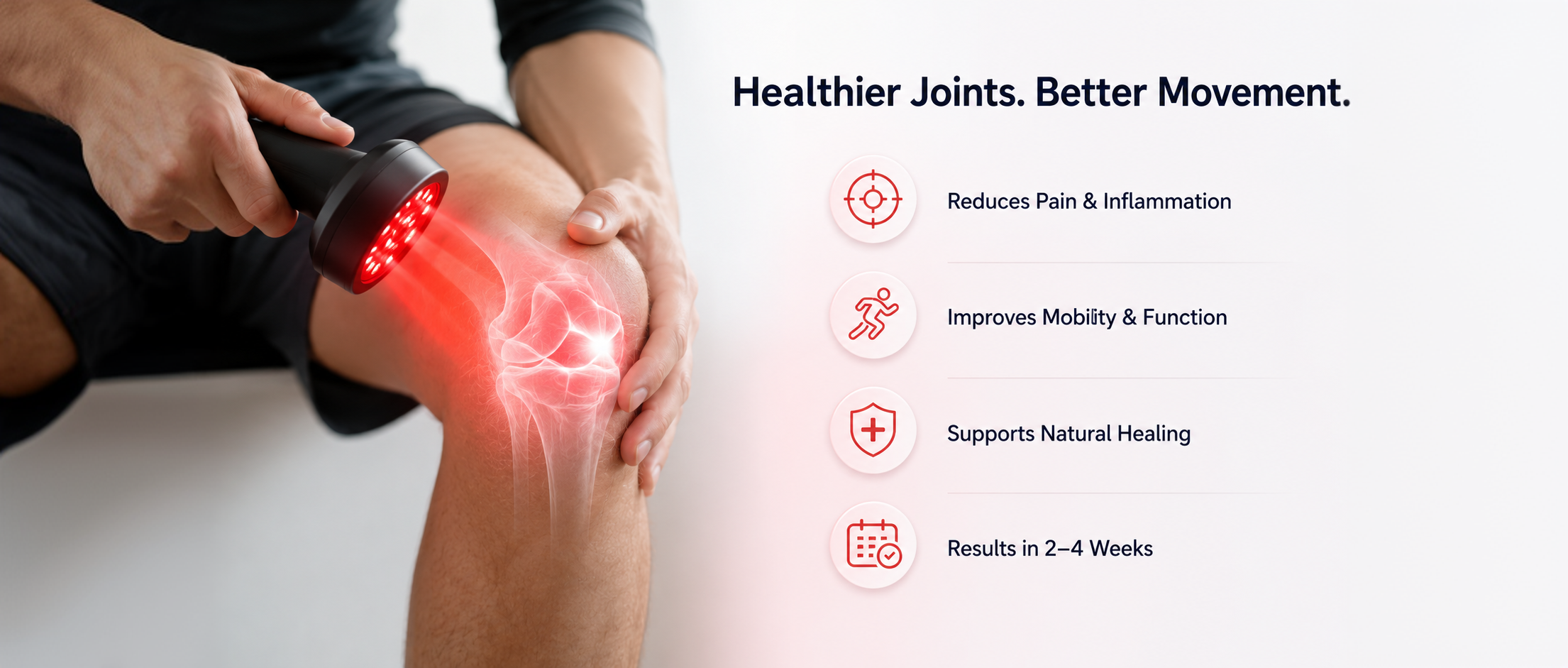
What LLLT can do for joints: Reduce pain intensity and improve daily function. Decrease local inflammation and swelling. Improve range of motion over time. Support the body's natural repair processes in and around the joint. Complement other treatments (physical therapy, exercise, nutrition).
What it can't do: Regenerate destroyed cartilage. Replace a worn-out joint. Cure autoimmune conditions like rheumatoid arthritis (though it may help manage symptoms). Eliminate the need for surgical intervention in advanced joint disease.
Timeline: Most studies showing joint-related benefits use treatment protocols of 2–4 weeks before measurable changes appear. Chronic conditions may require longer sustained use. Unlike acute muscle recovery (where effects can be felt within days), joint tissue turnover is slower and requires patience.
What it can't do: Regenerate destroyed cartilage. Replace a worn-out joint. Cure autoimmune conditions like rheumatoid arthritis (though it may help manage symptoms). Eliminate the need for surgical intervention in advanced joint disease.
Timeline: Most studies showing joint-related benefits use treatment protocols of 2–4 weeks before measurable changes appear. Chronic conditions may require longer sustained use. Unlike acute muscle recovery (where effects can be felt within days), joint tissue turnover is slower and requires patience.
How to use the Red Light Panel for joints
The Red Light Panel is the right device for joint therapy because it delivers both 630nm (surface) and 850nm (deep tissue) wavelengths at sufficient power density to reach joint structures.
Protocol for joint discomfort:
Position panel 6–12 inches from the affected joint
15–20 minutes per joint, per session
4–5 sessions per week for the first 4–8 weeks
Reduce to 3 sessions per week for maintenance once symptoms improve
Specific joints:
Knees, hips, shoulders: use the full panel
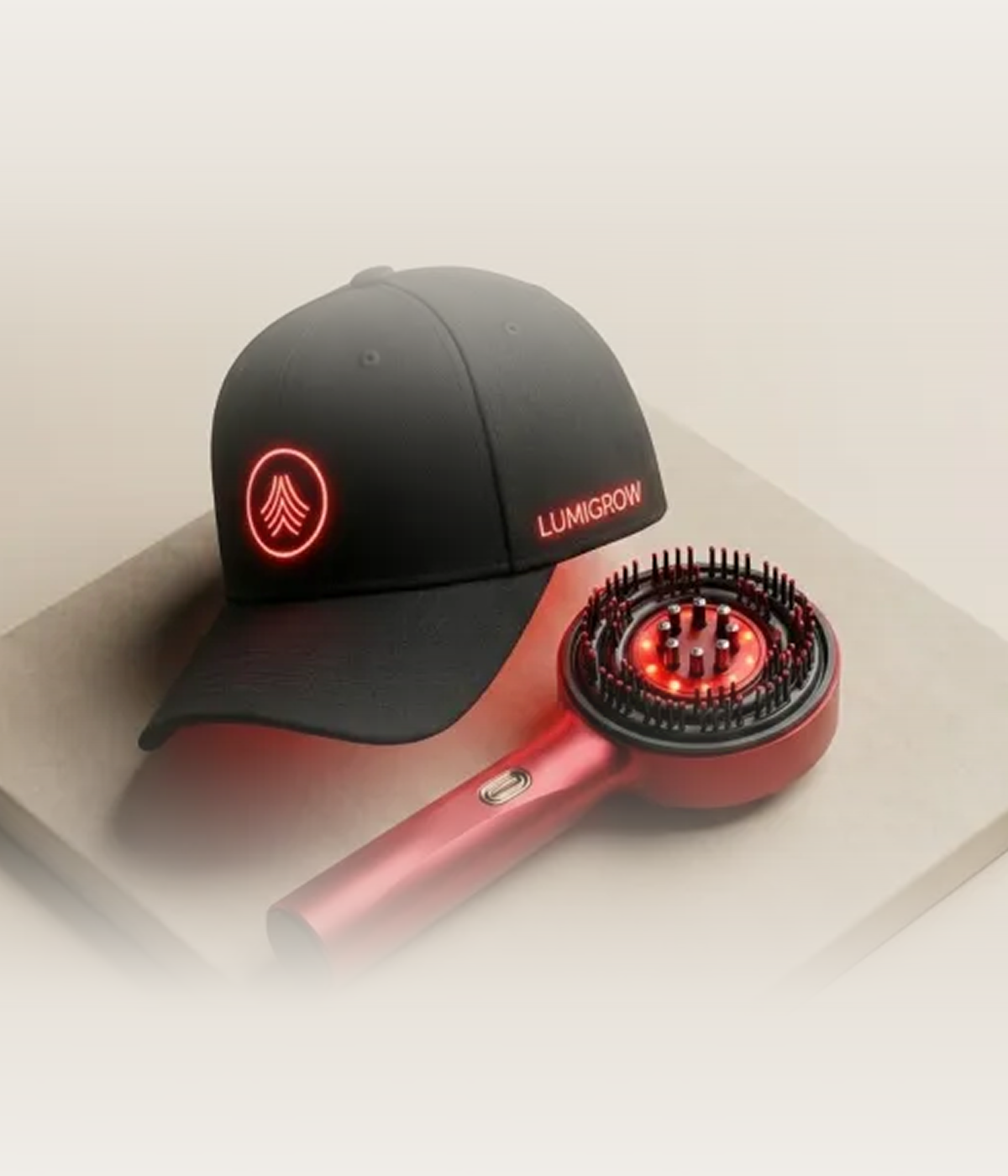
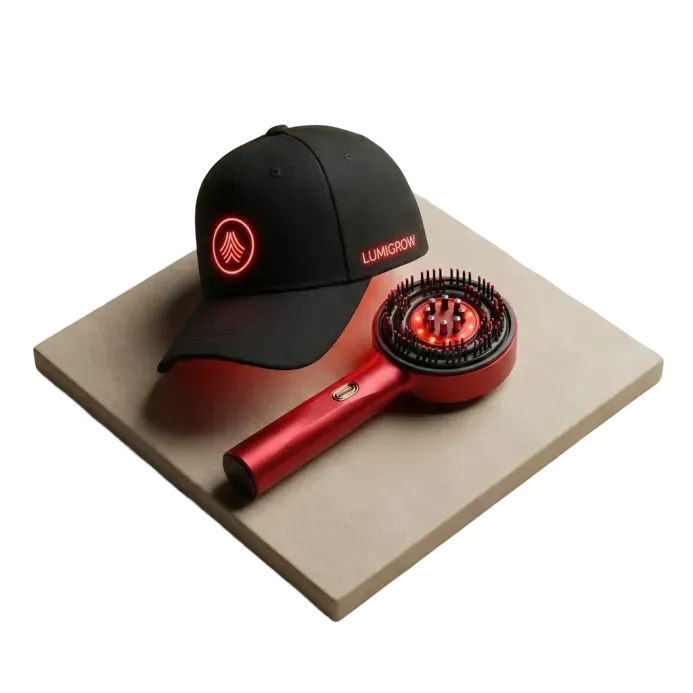
Smaller joints (wrists, elbows, ankles): the panel works, or use the Red Light Scalp Massager as a handheld targeted device — its 630nm + 850nm LEDs deliver the same therapeutic wavelengths in a portable form
Combining with other approaches:
Use before physical therapy or stretching — the vasodilation and pain reduction may improve your range of motion during the session
Not a replacement for strengthening exercises — strong muscles around a joint are the best long-term protection
Can be used alongside anti-inflammatory nutrition (omega-3s, turmeric) without any conflicts
Protocol for joint discomfort:
Position panel 6–12 inches from the affected joint
15–20 minutes per joint, per session
4–5 sessions per week for the first 4–8 weeks
Reduce to 3 sessions per week for maintenance once symptoms improve
Specific joints:
Knees, hips, shoulders: use the full panel
Smaller joints (wrists, elbows, ankles): the panel works, or use the Red Light Scalp Massager as a handheld targeted device — its 630nm + 850nm LEDs deliver the same therapeutic wavelengths in a portable form
Combining with other approaches:
Use before physical therapy or stretching — the vasodilation and pain reduction may improve your range of motion during the session
Not a replacement for strengthening exercises — strong muscles around a joint are the best long-term protection
Can be used alongside anti-inflammatory nutrition (omega-3s, turmeric) without any conflicts
Disclaimer
The content provided in this blog is for informational and educational purposes only. It is not intended to be a substitute for professional medical advice, diagnosis, or treatment.
Recent Posts

Browse Related Products

Join The Red Light Reset
Get science-backed skincare insights, expert guides, and early access to new device launches.
No spam. Just clinically-informed education and member-only benefits